Are You a Good Director?
What It Actually Takes to Be a Great Board Director
By Brad Adams, CSP, Pro.Dir | Board Foundations
Most directors walk into their first board meeting with the best of intentions and very little preparation. They were appointed because someone believed in them — and then they sat down at that table and quietly wondered: Am I doing this right?
If that sounds familiar, you're not alone. Great directors are made, not born. The mindset, skills, and habits that define excellent governance are entirely learnable. But somebody has to teach them.
What the Board Is Actually For
Before we talk about what makes a great director, we need to be clear on what a board is actually for— because this is where most governance problems begin.
The board exists to govern. Not to manage.
The board's job is to provide strategic direction and oversight, protect the mission and long-term health of the organization, and hold leadership accountable. You are a fiduciary. You hold this organization in trust on behalf of its members, its stakeholders, its community. Everything else flows from that.
Your Legal Duties (Canadian Law)
Your responsibilities as a director are grounded in legislation — and ignorance of those obligations is not a legal defense.
Ontario not-for-profits are governed by the Ontario Not-for-Profit Corporations Act, 2010(ONCA). Federally incorporated organizations fall under the Canada Not-for-Profit Corporations Act(CNCA). Under ONCA, directors have three duties:
Duty of Care— Act with the diligence and skill of a reasonably prudent person. Be prepared, show up, ask informed questions.
Duty of Loyalty— Act honestly and in good faith, always in the best interests of the organization — not yourself, not your committee, not your donor.
Duty to Comply— Ensure the organization follows ONCA, applicable laws, and its own governing documents.
Ontario NFP corporations were required to bring their bylaws into ONCA compliance by October 2024. If your board hasn't done that review, put it on the agenda now.
The Director Mindset
Most directors arrive at the boardroom table having built careers by moving fast, knowing the answers, and getting things done. Governance requires a different gear.
The shift from operator to overseer is the most underestimated transition in board service. You are there to provide judgment and strategic direction — not to run things. Ask more than you tell. Represent the whole organization, not your committee or constituency. Think long-term. Your value in that room is your judgment, not your to-do list.
The Fundamentals
Great governance usually comes down to whether directors do the basics well.
Prepare for every meeting — read the board package before you arrive. Participate actively and ask constructive questions. Support decisions once they're made, even if you opposed them in the room — the board speaks with one voice. And know your numbers: every director should be able to answer, walking out of every meeting - Is this organization financially sustainable?
One principle above all others: avoid end-runs. Individual directors do not manage staff. The board has one employee — the ED or CEO. Everything else belongs to the executive. Support publicly, challenge constructively — in the boardroom.
What Great Directors Do Differently
It isn't credentials or the size of the organization they serve. It comes down to habits anyone can build.
Great directors prepare relentlessly. They ask better questions, not more questions. They know when to speak and when to listen. They put the mission above their ego. They invest in their own governance development — because they understand that governance is a craft, and every craftsperson keeps learning.
Ready to Go Deeper?
This September, Board Foundations is launching a Board Governance Training Series— in-person at Lyntrail Estate in Brant County, Ontario, and online for boards anywhere in Canada. Designed for new and developing directors who are ready to govern with confidence.
Visit boardfoundations.com to learn more, take our free Board Health Check, or register for the September series.
Strong boards create stronger organizations. That's why this work matters.
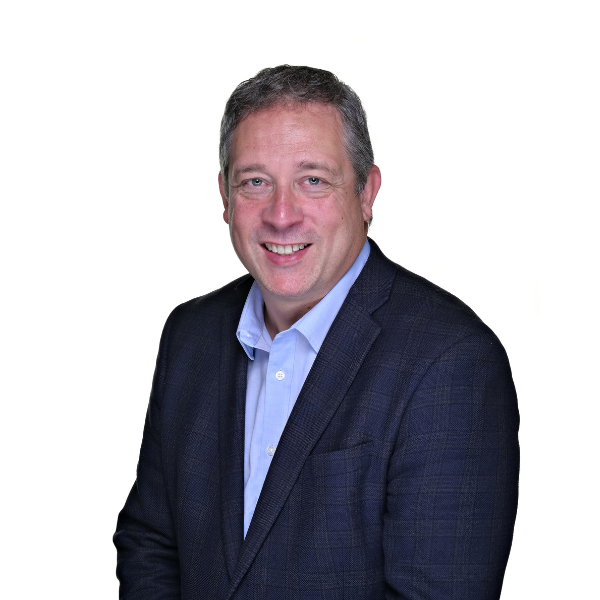
Brad Adams, CSP, Pro.Dir. is the founder of Board Foundations and CEO of The Woodlawn Group, based in Brant County, Ontario.
Sources: Ontario Not-for-Profit Corporations Act, 2010, S.O. 2010, c. 15; Canada Not-for-Profit Corporations Act, S.C. 2009, c. 23.